
Campaigns End. Narratives Don’t. Why Campaign Thinking Must Evolve into Continuous Narrative
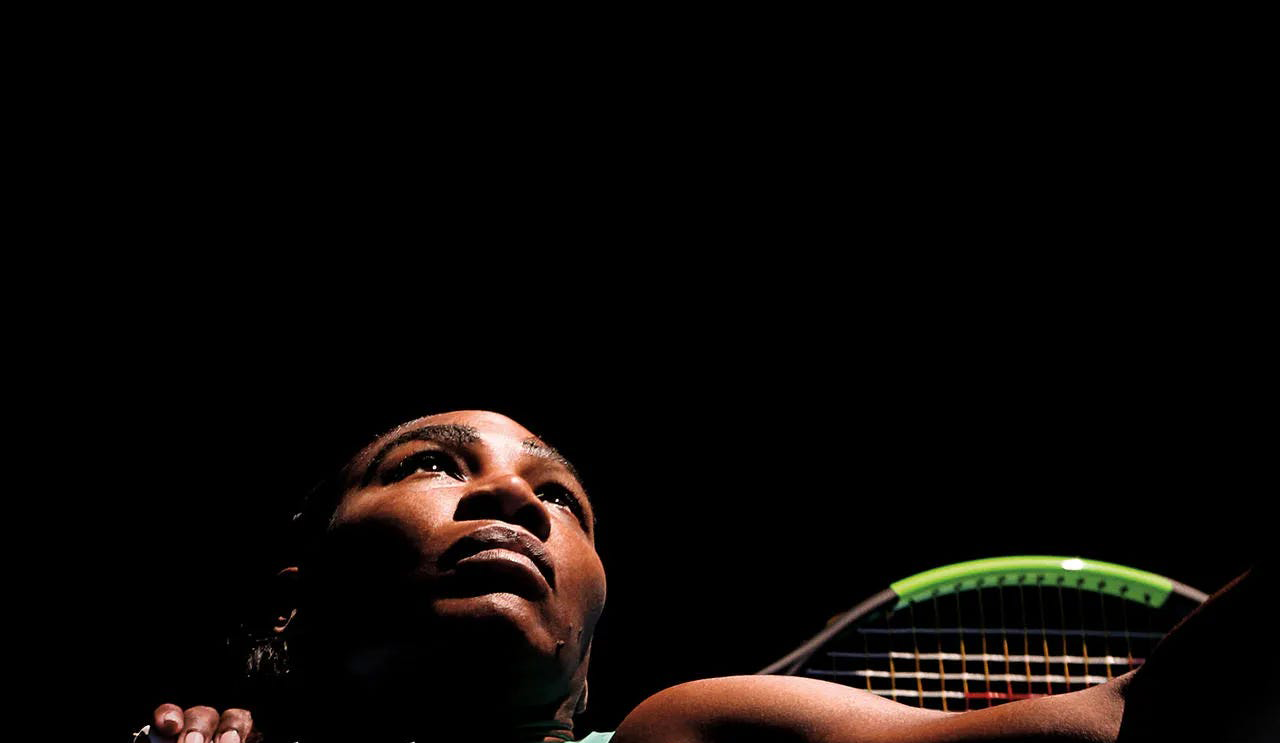
Serena Williams in a Nike campaign featuring the return of their iconic Just Do It tagline.
Marketing in the early days of Madison Avenue, as romanticized in Mad Men, reflected an era when agencies won business by pitching the next big campaign. Those ideas came to life through radio, television, print, and out-of-home advertising. They consisted of highly crafted moments designed to capture attention, drive awareness, and ultimately, sell products.
As technology evolved, so did the campaign. Digital channels multiplied, websites became destinations, email became a marketing engine, and the concept of "omnichannel" emerged. Brands learned to carry the same message across an expanding ecosystem of touchpoints.
Then social media changed everything.
Today's audiences don't wait patiently for the next campaign to arrive. They interact with brands every day - scrolling social feeds, watching videos, reading reviews, following creators, commenting on product launches, and sharing experiences of their own. Attention is no longer won in isolated bursts. It's earned continuously through relevance.
The challenge for modern brands isn't simply creating the next great campaign. It's creating a narrative strong enough that every campaign feels like a natural continuation of the last. Campaigns still matter, but they should function as chapters within a much larger story rather than standalone events with predetermined expiration dates.
This isn't to suggest that every brand needs to mimic the insurance industry, juggling multiple campaigns simultaneously for countless audience segments. Few organizations have the budget, or the need, to sustain that approach. Instead, brands should align around an enduring narrative while supporting it with campaign-specific messaging and a steady stream of meaningful, engaging content. Every interaction should reinforce what the brand stands for.
Nike may be one of the clearest examples of this evolution. Individual campaigns have come and gone for decades, yet the underlying narrative has remained remarkably consistent. Just Do It has become an incredible moniker which, in many instances, is simply accompanied by the Nike swoosh. Whether featuring elite athletes, everyday runners, Serena Williams, Colin Kaepernick, youth sports, or the Nike Training Club app, every touchpoint reinforces the same belief: greatness is earned through perseverance, and everyone has the potential to achieve it. The campaign changes. The story doesn't.
Patagonia follows a similar path, though with an entirely different purpose. Product launches, documentaries, environmental activism, the Worn Wear initiative, and even the company's decision to place ownership into a trust all reinforce a singular belief: business should exist to protect the planet. Every communication serves that conviction. Patagonia isn't asking consumers to remember individual campaigns; it's inviting them to participate in an ongoing movement.
Other brands have embraced this philosophy in their own ways.
Dove's groundbreaking Real Beauty campaign challenged conventional perceptions of beauty and encouraged deeply personal conversations about confidence, self-image, and authenticity. More importantly, Dove listened. Online engagement became more than a measure of success, and it became a continuous source of insight that informed future storytelling. What began as a campaign evolved into an ongoing dialogue.
Lay's invited consumers to invent its next great potato chip flavor through the wildly successful Do Us A Flavor campaign, while Frito-Lay challenged audiences to create its Super Bowl commercials.
Apple's enduring Shot on iPhone initiative transformed customers into creators, allowing authentic user-generated content to become one of the brand's most powerful marketing assets. In each case, consumers weren't simply receiving marketing. They were helping write the next chapter.
Some of today's fastest-growing brands have skipped traditional campaign thinking almost entirely.
Red Bull behaves less like a beverage company than a media company, continually producing sports, music, adventure, and entertainment content that reinforces its adventurous spirit. Likewise, Liquid Death has built a fiercely loyal following by embracing internet culture with an endless stream of irreverent content that extends far beyond canned water. Neither brand relies on isolated bursts of activity. Their marketing succeeds because their narrative never goes quiet.
Today, organizations can generate more content than ever before - articles, imagery, video, social posts, presentations, personalized messaging, and entire campaigns - in a fraction of the time they once required. But producing more content doesn't automatically create a stronger brand. In an era where the most successful companies increasingly behave as lifestyle brands - inviting customers into a shared set of values, aspirations, and experiences rather than simply selling products - a coherent narrative becomes the brand itself. Without that narrative, technologies like AI merely accelerate the production of disconnected communications instead of strengthening the relationships that drive long-term loyalty.
The competitive advantage isn't producing more content. It's producing more meaningful chapters of the same story.
This doesn't mean campaigns disappear. Quite the opposite. Great campaigns still create moments that capture attention, inspire action, and move markets. But increasingly, the most successful campaigns don't stand alone. They build upon everything that came before them while laying the foundation for everything that comes next. Each campaign becomes another chapter in a story that customers are already following.
Consumers don't experience brands in campaigns.
They experience them continuously.
That reality demands a different mindset, one that values consistency over novelty, participation over interruption, and long-term narrative over short-term promotion.
Campaigns have a beginning and an end.
Great narratives invite people to stay for the journey.
